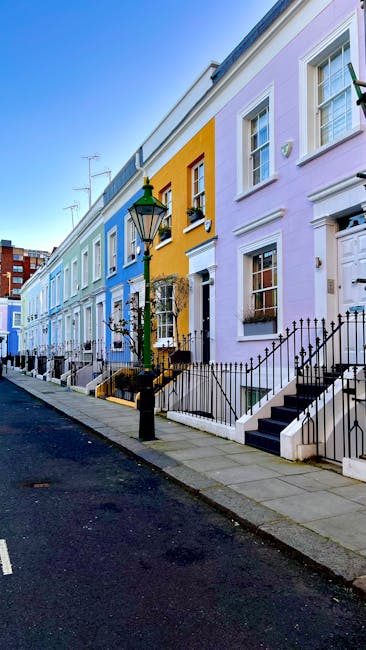
Moving house near Holland Park Avenue expert local movers: a practical guide for a smoother Kensington move
If you are moving house near Holland Park Avenue, you already know the area has its own rhythm: busy stretches by the avenue itself, quieter residential roads just off it, tight parking, and the odd awkward staircase that looks charming until moving day arrives. That is exactly why expert local movers can make such a difference. They are not just lifting boxes; they are helping you navigate the realities of moving in West London without turning the day into a long, stressful saga.
This guide walks you through what local moving support actually involves, why it matters in this part of Kensington, and how to choose the right help for your situation. You will find practical steps, common mistakes, a useful comparison table, and a proper checklist so you can plan with confidence rather than hope for the best. Let's face it, moving is rarely anyone's favourite weekend.
Table of Contents
- Why it matters
- How the moving process works
- Key benefits and practical advantages
- Who this is for and when it makes sense
- Step-by-step guidance
- Expert tips for better results
- Common mistakes to avoid
- Tools, resources and recommendations
- Law, compliance, standards and best practice
- Options, methods and comparison
- Case study or real-world example
- Practical checklist
- Conclusion
- Frequently asked questions
Why Moving house near Holland Park Avenue expert local movers Matters
Moving in and around Holland Park Avenue is not the same as moving in a wide-open suburban street with easy parking and plenty of room to swing a sofa. The roads can be narrow, parking can be limited, access can be awkward, and building layouts vary wildly. One property may have a neat front entrance; the next could involve stairs, a lift with awkward dimensions, or a shared hallway with strict timing rules.
That is where local knowledge earns its keep. Expert local movers understand the practical side of the area: how to plan around access, how to work efficiently in busy residential streets, and how to keep the move calm even when the surroundings are not especially forgiving. You want movers who can read the situation quickly, not just follow a generic checklist.
There is also the human side. If you are leaving a long-time home, downsizing, or moving into a place that should feel exciting but currently feels like boxes, tape, and admin, you need support that makes the day feel manageable. A good local team gives you that sense of control. Not perfection. Control. There is a difference.
If you are still choosing a moving company, it can help to first understand the team behind the service by reading the about us page. That gives useful context before you book anything.
How Moving house near Holland Park Avenue expert local movers Works
Most local house moves follow a similar pattern, but the detail matters. A proper moving service usually begins with a discussion about what needs to be moved, how much access there is, whether packing is required, and what kind of vehicle is best for the job. In a place like Holland Park Avenue, those details are not minor. They determine whether the day runs smoothly or turns into a guessing game.
In practical terms, a move often looks something like this:
- Initial enquiry and inventory discussion.
- Assessment of access, parking, stairs, lifts, and timing.
- Quotation based on volume, labour, distance, and any packing needs.
- Pre-move preparation, including packing and labelling.
- Moving day loading, transport, and unloading.
- Optional placement of furniture and basic set-up at the new home.
Local movers who know Kensington and the surrounding streets can usually spot issues before they become problems. For example, they may suggest a smaller vehicle, earlier start time, or a different loading plan if the street access is tight. That sounds simple, but it saves a lot of faffing about on the day.
If your move is larger or includes fragile household items, specialist packing can make a real difference. You can see how that works on the packing and boxes service page for Kensington W8, which is especially useful if you are short on time or moving with breakables.
Key Benefits and Practical Advantages
The obvious benefit of expert movers is that they do the heavy lifting. But the real value goes much further than that.
- Faster loading and unloading: experienced crews work in a sequence, not a scramble.
- Less risk of damage: proper handling protects furniture, walls, doorframes, and your back.
- Better planning for local access: important in an area with mixed property types and traffic constraints.
- Less stress on moving day: you can focus on keys, utilities, and family logistics.
- More suitable vehicle choice: not every street or property suits the same van size.
- Useful packing support: especially if you are dealing with glassware, art, books, or awkward household items.
There is also a quieter benefit that people sometimes overlook: good movers help you preserve your energy. Moving day is mentally draining. A team that arrives prepared, communicates clearly, and gets on with the job can make the whole thing feel less invasive. That matters more than people admit.
For many homeowners and tenants, the best result is not just a move that gets done. It is a move that still leaves enough energy to unpack the kettle and have a normal cup of tea at the end. Small victory, but a real one.
Who This Is For and When It Makes Sense
This kind of service is especially useful if you are:
- moving between flats or houses near Holland Park Avenue
- dealing with limited parking or tight loading access
- moving a family home with a lot of furniture
- relocating on a specific date with little flexibility
- concerned about fragile, valuable, or bulky items
- trying to move while balancing work, childcare, or travel plans
It also makes sense if this is your first time moving in London and you are not fully sure how local access, timing, and building rules will affect the day. Truth be told, the first move in a new area often teaches people more than they expected. Sometimes the lesson is simply: always check the hallway width before buying a giant wardrobe.
People moving into Kensington or nearby often want a bit more local context too. If you are still getting a feel for the wider area, the resident views on living in Kensington article gives a useful sense of everyday life and neighbourhood character.
Step-by-Step Guidance
1. Start with a clear inventory
Write down what is going, what is staying, and what may need dismantling. Even a rough list is better than going in blind. Large furniture, mirrors, artwork, and appliances deserve special attention because they shape the move more than you might think.
2. Check access at both properties
Look at the route from the property to the vehicle. Are there stairs? A lift? A narrow hallway? Is parking possible close by, or will movers need to carry items a long way? In local moves, a short walk can become a long one very quickly if the street is busy.
3. Decide whether you need packing help
Some people prefer to pack themselves and just hire transport and labour. Others want a full packing service because life is already hectic. If you are trying to finish work, school runs, and a move all at once, packing help can be the sensible option rather than the luxurious one.
4. Book at the right time
Early booking is usually the safer move, especially around month-end or at popular moving periods. If your dates are firm, lock them in sooner rather than later. If they are not, tell the company that honestly. A good mover can only plan well if they know the real situation.
5. Label by room and priority
Use simple labels: kitchen, bedroom one, bedroom two, fragile, open first. Then mark one or two boxes you will want on day one. Kettle, mugs, chargers, toiletries, and a change of clothes. You know the drill.
6. Confirm the arrival window and contact details
On moving day, one missed call can throw the timing off. Keep your phone charged, keep key contacts handy, and confirm where the team should park or enter. Small detail, huge difference.
7. Walk through the house before and after
Before loading, do a final sweep. After unloading, check rooms one by one. This is the moment to notice if a box has landed in the wrong room or a piece of furniture needs a different position. Better to sort it then than later when the room is already half unpacked.
Expert Tips for Better Results
Experienced movers tend to focus on the unglamorous things, because that is where moving days go right or wrong. A few practical tips make a real difference.
- Protect the route, not just the item. Doorframes, bannisters, and floors matter too.
- Keep essentials separate. Documents, chargers, medication, snacks, and keys should not vanish into the general boxes.
- Use quality boxes for heavy items. Cheap boxes sag. Books are heavier than they look, annoyingly so.
- Disassemble only when needed. Over-dismantling furniture can create extra reassembly work.
- Be honest about volume. Underestimating the amount of stuff is one of the fastest ways to complicate a move.
A small but useful tip: take photos of cable setups before unplugging TVs, routers, desks, or audio equipment. It takes seconds and saves a surprising amount of head-scratching later. Why make life harder?
If you are comparing companies, choosing a mover who knows local neighbourhoods and street patterns can matter as much as the truck size. In areas with mixed housing stock, that local familiarity can be the difference between a tidy, efficient move and one that feels improvised.
For more insight into how people value the area and plan around it, the Kensington real estate and investment tips guide is a useful read, especially if your move is tied to a property purchase or rental decision.
Common Mistakes to Avoid
Some moving problems are simple bad luck. Others are completely avoidable. Here are the usual culprits.
- Leaving packing until the last minute: this creates rushed, messy boxes and more breakages.
- Forgetting to check access: especially painful when a van cannot park near the entrance.
- Not measuring large furniture: sofas and wardrobes are the usual troublemakers.
- Mixing essentials with everything else: nothing feels worse than searching for phone chargers at 11 p.m.
- Assuming all movers offer the same service: some provide packing, some do not, some help with furniture placement, some do less.
- Choosing only on price: the cheapest quote is not always the best value if the move becomes longer or more complicated.
Another easy mistake is not thinking about the new place from a practical angle. Is the kitchen ready for boxes? Is there a safe place for fragile items? Are the rooms clearly labelled? Little things, but they stop the move from becoming chaotic.
Tools, Resources and Recommendations
You do not need a suitcase full of specialist gear to move well, but a few practical items help a lot.
- strong double-walled boxes for books and kitchenware
- packing paper or bubble wrap for fragile items
- tape that actually sticks, which sounds obvious until it is not
- clear marker pens for labels
- protective covers or blankets for furniture
- basic screwdrivers and an Allen key set for quick dismantling
- zip bags for screws, shelf pins, and loose fittings
It also helps to think beyond the physical move. If you are new to the area, you might want to get a feel for where you will actually be spending your time. The top gathering spots in Kensington piece can help you settle into the local lifestyle a little faster.
And if your move is part of a wider housing search or long-term plan, the guide to buying houses in Kensington offers a practical local perspective that sits nicely alongside move planning.
Law, Compliance, Standards and Best Practice
Moving house in London often brings up practical compliance issues rather than heavy legal ones. The main thing is to follow the rules that apply to your property and your street, and to work responsibly with the moving company. That usually means checking building access requirements, lift booking rules, time restrictions, parking arrangements, and any instructions from the property manager or landlord.
Best practice also matters. Good movers should handle items carefully, communicate clearly, and avoid blocking access longer than necessary. If you are moving from or into a managed building, tell the movers in advance about any restrictions. It sounds basic, but it prevents a lot of awkward back-and-forth on the day.
For tenants, it is also sensible to document the condition of the property before you leave, especially if the move involves furniture being taken through tight spaces. For homeowners, the priority is usually protecting the property itself and keeping the handover smooth. Different situation, same goal: no surprises.
To understand the service approach and how a professional local team operates, it can be helpful to review the company's background on the about us page and, if needed, use the contact page to ask specific questions before booking.
Options, Methods and Comparison Table
Not every move needs the same level of support. Here is a simple comparison of common approaches.
| Moving option | Best for | Pros | Trade-offs |
|---|---|---|---|
| Self-move | Very small moves, minimal furniture | Lower upfront cost, full control | More labour, more risk, more stress |
| Man and van | Flats, smaller houses, local moves | Flexible, efficient, practical for London streets | May not suit large or highly complex moves |
| Full moving service | Family homes, busy schedules, larger inventories | Less hands-on work, smoother coordination, optional packing | Usually costs more, but often better value overall |
For Holland Park Avenue and surrounding streets, a man and van or a full local moving service is often the most sensible fit. The choice really comes down to how much you want to handle yourself, how much furniture you have, and how much time you can spare. If you are moving with children or juggling work deadlines, the answer is often clearer than people expect.
Case Study or Real-World Example
Imagine a couple moving from a first-floor flat just off Holland Park Avenue into a nearby townhouse. The distance is short, but the move is not simple. They have a dining table, a large sofa, several bookcases, and a handful of delicate kitchen items. Parking is awkward, the stairwell at the new place is narrow, and they only have a small window before other building activity starts.
A local moving team would typically approach this by planning the load order carefully, bringing the right size vehicle, and prioritising access-friendly items first. Fragile items would be boxed separately and labelled clearly. Furniture might be dismantled in advance where needed. The real win is not speed for its own sake. It is controlled, predictable progress.
At the end of the move, the couple would likely be able to unpack the essentials, set up the bed, and leave the remaining boxes for the next day. That may not sound dramatic, but after a long move day it feels very good. Properly good, in fact.
This is also where a local understanding of the neighbourhood helps. A team that knows Kensington streets can make sensible calls about timing, parking, and access without turning every small obstacle into a drama.
Practical Checklist
Use this checklist in the days leading up to your move.
- Confirm your moving date and time window.
- Check access at both addresses.
- Reserve any parking or loading arrangements if needed.
- Sort out packing materials early.
- Label all boxes by room and priority.
- Pack an essentials bag for the first night.
- Dismantle furniture only where necessary.
- Take photos of any valuable or fragile items before the move.
- Keep keys, documents, and chargers with you.
- Walk through both properties before the team leaves.
Expert summary: the best move is rarely the most dramatic one. It is the one that is planned early, packed sensibly, and handled by movers who understand the local streets, the access issues, and the pressure you are under. Quiet competence goes a long way.
Conclusion
Moving house near Holland Park Avenue is much easier when you treat it like a local project, not just a transport job. The right movers bring more than muscle. They bring local awareness, practical planning, and the ability to keep things calm when the day gets busy.
If you are preparing for a move, start with the basics: know your inventory, check your access, pack well, and speak to a mover who understands the realities of Kensington streets. That little bit of local experience can save time, reduce stress, and help your new place feel like home faster. And really, that is the point.
For a straightforward next step, use the service pages and guides to compare your options, then reach out when you are ready to talk through your move in detail.
Get a free quote today and see how much you can save.
Frequently Asked Questions
What makes expert local movers better for Holland Park Avenue moves?
Local movers usually understand the parking, street access, and property layouts in the area better than a generic moving team. That means fewer delays and a smoother day overall.
Do I need a full packing service, or can I pack myself?
You can absolutely pack yourself if you have the time and energy. A full packing service makes more sense if you are busy, moving fragile items, or simply do not want the stress of doing it all at once.
How far in advance should I book movers?
As early as you can, especially if your date is fixed or you are moving at a busy time of month. Early booking gives you better choice and more time to plan.
What should I do if parking is difficult near my property?
Tell the moving company as early as possible. Local movers can often adjust the vehicle size, timing, or loading plan to work around tight access.
Can movers help with furniture dismantling and reassembly?
Many moving services can help with basic dismantling and reassembly, but you should confirm this before booking so there are no surprises on moving day.
How do I prepare fragile items for a local move?
Wrap them properly, use strong boxes, label them clearly, and keep heavier fragile items separate from general household boxes. If in doubt, ask for packing help.
Is a man and van service enough for a move near Holland Park Avenue?
It can be, especially for smaller flats or limited furniture loads. For larger homes, a fuller moving service may be the more practical choice.
What are the most common moving problems in this area?
Access issues, limited parking, awkward staircases, and underestimating how much there is to move are the most common challenges. Good planning solves most of it.
Do I need to be present during the move?
It is usually best to be there at the start and end, even if you do not stay with the crew every minute. That way you can answer questions, confirm instructions, and check the final result.
How can I make unpacking easier once I arrive?
Pack an essentials box, label by room, and focus first on the bed, kettle, toiletries, and basic kitchen items. That gives you a functional home on day one, which helps more than people expect.
What if I am moving into or out of a managed building?
Check the building rules before moving day. Some properties have lift booking requirements, access windows, or specific instructions for movers, and it is best to know that in advance.
Where can I ask about a specific move or service?
You can use the contact page to ask about dates, access, packing support, and any special requirements for your move.