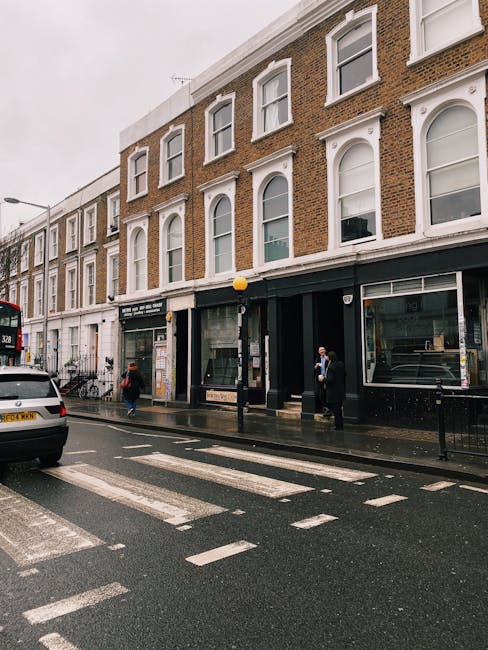
Man With A Van Kensington

Man With A Van Kensington provides a straightforward moving service for people who need help transporting belongings, fixtures or stock with care and practical planning. The focus is on manageable removals, furniture collection and local transport that suits homes, flats, offices and single-item moves. If you need careful loading, secure transit and sensible handling, the service can be shaped around the job rather than forcing you into a larger removal package.
For customers comparing options, the useful question is usually how much help is needed at each stage. Some jobs call for a vehicle and lifting support only, while others benefit from packing materials, dismantling, reassembly or a little more time on site. The service pages cover those differences clearly, so you can choose the right level of support without paying for features you do not need. Removals services are useful if you are weighing a full move against a smaller transport-only booking.
When you are ready to talk through the details, it helps to share what is moving, where it is going and whether there are stairs, parking limits or fragile pieces to consider. You do not need a perfect inventory before making contact, but a simple outline usually leads to a more accurate quotation. For a clearer view of costs, visit pricing and quotes after reading the service options.
Home moves and local household transport
Household moving work is often broader than a single van trip, because domestic items vary from boxed contents and soft furnishings to wardrobes, beds and everyday appliances. A planned move needs the right vehicle size, safe lifting and a route for items that are awkward, heavy or easily marked. The service can support anything from a room clearance to a full property move, depending on how much labour and transport you want included.
If you are moving within Kensington or to another part of London, a well-organised home move often depends on access as much as volume. Narrow stairwells, controlled parking and shared entrances can all influence the timing and handling of a move. Home moves are relevant when you want a domestic service built around practical loading, transport and delivery rather than a generic courier approach.
Useful move details are usually simple to prepare: the main furniture items, approximate number of boxes, collection and delivery points, and any pieces that need special handling. It is also sensible to mention if items must be carried through communal spaces or if the property has limited parking. For slightly larger household moves, house removals can be a better fit than a one-off transport booking.
Furniture pick-up and individual item transport

Not every booking is a full move. Sometimes a customer only needs a sofa collected, a bed moved to another address or a bulky item taken from a shop, storage unit or private property. The service is designed to handle those single-item and mixed-load tasks carefully, with attention to protecting frames, corners and finishes during lifting and transit.
Furniture work is often about good judgement rather than brute force. A dining table might travel assembled, while a wardrobe or bed frame may be easier to move in sections. Furniture pick-up is a practical option when you need one item, or a small group of items, moved without booking a larger household removal. It also helps when the collection point and delivery point are both local but not conveniently reachable on foot.
If your furniture needs dismantling before transport, say so early so the move can be planned properly. Heavy pieces, glass shelves and upholstered items can require different loading positions or protective wrapping, while delicate finishes may need blankets or straps rather than direct pressure. Where the task involves several awkward items, moving van transport can provide the capacity needed without overcomplicating the booking.
Packing, unpacking and handling fragile belongings
Some customers want help only with moving day, while others need a little support before and after the journey. Packing and unpacking can make a practical difference when time is short, items are fragile or the collection point includes mixed household contents that are not yet boxed. Careful packing is especially useful for kitchenware, ornaments, books, small electronics and anything that should not be loose inside the vehicle.
Packing and unpacking services are best thought of as part of the moving process, not a separate luxury. They reduce the chance of damage through poor stacking and make it easier to organise loading by room or by priority. For customers who want the move handled in a more methodical way, packing support can be combined with transport so the same booking covers preparation, transit and placing items at the destination.
A sensible packing plan usually starts with the most vulnerable belongings and the items you need first at the new address. Keep documents, chargers, medication and other essentials separate from general boxes. Clear labelling also helps when a van contains mixed items from several rooms, because unloading can then follow the right order without confusion. If you are comparing services, house movers can provide a broader domestic moving option alongside this support.
Office removals and business transport
Commercial moving work needs a different rhythm from a home move because the focus is often on continuity, equipment protection and a tidy handover. Desks, chairs, archive boxes, screens and small office furniture must be moved with enough care to limit disruption and keep important items together. The service can suit freelancers, small teams, studios and offices that need a compact but organised relocation.
For businesses, the practical questions usually involve access, sequencing and the order in which items should be unloaded. Office removals help when you want office furniture and work equipment moved in a structured way, with enough flexibility to handle different floor levels or grouped items. A small commercial move may need less machinery and more planning, especially if the collection point is in a busy building or shared workspace.
Useful preparation for office work includes noting which items are essential, which files remain sealed, and whether IT equipment needs extra separation during transit. If furniture must be dismantled or reassembled, that should be mentioned before the day of the move. For smaller workplace relocations that still need careful coordination, commercial moves can be a better match than a generic van hire arrangement.
Domestic removals and flexible van support

Many jobs sit somewhere between a full house move and a single-item collection. That is where flexible van support is useful, because it can be scaled to suit the amount of loading, lifting and driving involved. A smaller flat move, part-load relocation or multi-stop collection can often be handled more efficiently than a larger removal service if the contents are not extensive.
Man and van is a practical choice when you want transportation with lifting support but do not need a full team or a large removal operation. It works well for local moves, student accommodation, second-hand purchases and deliveries involving furniture, boxes or mixed household items. The benefit is often simplicity: one booking, one route and a level of assistance matched to the load.
If the move is more substantial but still compact, the vehicle and loading plan matter just as much as the destination. The right combination of helpers, blankets and load spacing can protect items from shifting during travel. For a similar service structure with a wider removals focus, man with van removals may suit customers who want to compare options before choosing the best fit.
Choosing the right vehicle and loading approach
Different loads call for different handling. A few boxes and a chair do not need the same setup as a room of furniture or a set of office cupboards. The vehicle choice should reflect not just volume, but shape, weight and fragility. That is why a moving van or removal van can be more efficient than a generic courier vehicle when items need to be stacked securely and unloaded in good condition.
For customers comparing transport-only options, moving van pages are useful when the main need is vehicle capacity with careful loading rather than extensive dismantling or packing. If the load is heavier or includes several large pieces, a proper removal van arrangement may be more suitable because it is intended for the sort of transport work where stability and accessible loading space matter. That choice can affect how quickly the job is completed and how safely items travel.
An efficient loading plan usually groups items by size and handling needs. Heavier items sit lower and more securely, while lighter pieces fill spaces without compressing delicate surfaces. Good load order helps prevent shifting and also makes unloading simpler at the destination. For customers wanting broader support across this type of move, removal services provide a useful overview of what can be included.
About Kensington

Kensington is a district in west London that forms part of the Royal Borough of Kensington and Chelsea. It is known for a mixture of elegant residential streets, major cultural institutions and busy commercial roads, with Kensington High Street acting as one of its main axes. The area includes some of the city’s best-known museums and public spaces, and its built environment ranges from grand terraces and mansion blocks to mews streets and later apartment buildings. Hyde Park lies to the east of the district, while Holland Park marks part of its western side, giving the area a notable amount of accessible green space. South Kensington, Earl’s Court and Notting Hill sit nearby, but Kensington itself has a distinct identity shaped by long-established neighbourhoods and high-value housing. The Royal Albert Hall is one of the area’s most recognisable landmarks, and the museums around Exhibition Road add a strong cultural character. Kensington Palace and the surrounding gardens link the district to royal history, while the presence of schools, embassies, shops and transport links makes it both residential and active through the day. The architecture is varied and often formally arranged, with many streets reflecting 19th-century development. Even where newer buildings appear, the broader street pattern still gives Kensington a composed, historic feel that sets it apart from more uniform inner-London districts.
Planning a move with access in mind
When a van booking is arranged well, the movement itself becomes simpler. Access details are often more important than customers expect, because they affect the time needed for lifting, the safest place to park and the order in which items should be carried. Communal hallways, basement flats, upper floors and controlled parking all change the practical shape of a move. If the collection point has restrictions, mentioning them early allows the job to be planned with fewer delays.
It is also useful to think about what should happen at the destination before the van arrives. Large furniture may need a clear route into the property, while boxes might be easier to stack in one room first and sort later. House removalists can be relevant when you want a move handled with greater structure, especially where access or load size means that a quick handover would not be enough. The right arrangement is often the one that keeps the move calm and practical.
For customers who have more than one stop, or who need items moved between different addresses on the same day, a careful route plan is especially helpful. That can reduce double handling and keep fragile items where they belong. If you already know the main pieces and the key access points, requesting a quotation becomes much more straightforward. You can also contact us when you are ready to discuss the details.
Furniture, dismantling and reassembly

Large furniture is often the part of a move that benefits most from preparation. Beds, wardrobes, tables and shelving can be awkward in narrow staircases or small lifts, so it may be easier to move them in sections. Dismantling is not always necessary, but when it is done properly it can reduce the risk of knocks and make the load easier to manage. Reassembly at the destination then helps the room become usable more quickly.
Movers is a helpful page if you want a broader overview of transport and lifting support across different types of move. It suits customers who need more than simple van hire but do not necessarily require a full-scale removal operation. Where a job involves a mixture of furniture, boxes and perhaps one or two fragile pieces, having the right lifting approach matters as much as the size of the vehicle.
Before the day, it helps to decide which furniture should travel intact and which items are better split down. Glass tops, loose shelves and bed components may need separate wrapping or grouping so nothing is misplaced in transit. If your move involves a simple collection from a supplier or a room-to-room transfer, you can still ask for a tailored quotation and choose the level of handling that suits your belongings.
Prices, timing and what affects a quotation
Quotation details are usually based on a few practical factors: the size of the load, the collection and delivery addresses, access at both ends, and whether the job includes packing, dismantling or multiple stops. These are the pieces of information that make a booking realistic rather than approximate. A clear description of the move is often enough to shape an accurate proposal without needing a long back-and-forth.
For customers comparing different service types, it helps to consider whether the main need is transport, labour or both. A simple local collection may need only a short booking, while a more involved relocation might require more time on site for loading and unloading. If you want to compare this with other options, house removals is useful for domestic moves, while office relocation services are more appropriate for workplace moves that need structured planning.
Two practical tips can improve the quoting process: keep a rough list of the largest items, and mention anything that could affect access, such as stairs, distance from parking or restricted entry times. That is usually enough to start a sensible conversation. If you are ready to move ahead, request a quotation and share the basics of your job so the service can be matched properly.
Service options for different types of move
Not every customer arrives with the same sort of task, so it is useful when the service range covers several closely related options. Some people only need a short-distance transport job, others want a more organised removals arrangement, and a few need help with both household and business items. A flexible service structure makes it easier to choose the right page and the right level of support for the work ahead.
Related pages such as house removalists and removal company are useful where you want to compare broader moving support with a more focused man and van approach. The distinction is not just wording; it often reflects how the job is planned, what equipment is brought and how much labour is included. That can matter when you are deciding how to move heavier furniture, mixed loads or a full set of domestic contents.
Where the move is especially compact, a single-vehicle arrangement may be all that is needed. Where the load is larger or includes several bulky pieces, a more fully supported removal option can be worth considering. If you are unsure which service matches your move, start with the main details and ask for guidance. A clear quotation request is usually the best place to begin, especially if you want the booking kept as efficient as possible.
Preparing the move and sending your enquiry
To keep a move straightforward, prepare a simple summary of what needs moving, the collection and delivery locations, and any access points that could affect loading. If there are items of unusual size, weight or fragility, note those separately. This does not need to be complicated; it just gives enough information for the transport plan to reflect the real job rather than an estimated one.
If you are comparing several pages on the site, moving truck and removals van can help you think about vehicle-based transport options, while man with van removal suits customers who want a smaller-scale removals style. These pages are useful when the main question is how much transport support is needed, rather than whether the move can happen at all. Choosing early can save time later in the process.
When you are ready, send a quotation request with the basics and ask for the next available booking option that fits your move. Request a quotation if you want a practical answer for a local household or business job, and keep the details concise so the response is as relevant as possible.