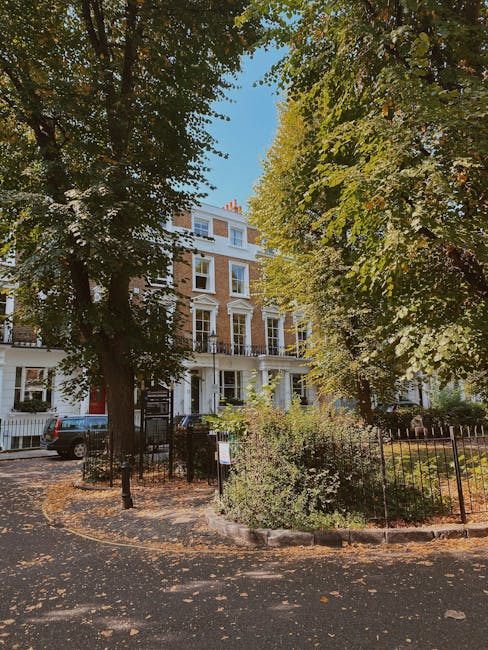
Case study removals for a Victorian house on Phillimore Gardens
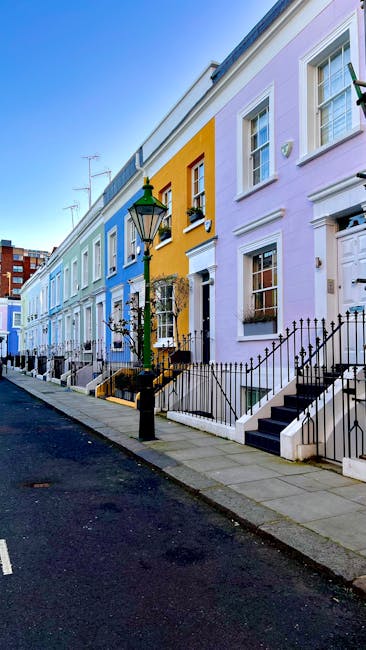
If you have ever looked at a tall Victorian house in Kensington and thought, "How on earth do you move all of that safely?", you are not alone. Case study removals for a Victorian house on Phillimore Gardens are a great way to understand what really goes into a successful move in a period property: tight access, delicate finishes, awkward staircases, high-value furniture, and the sort of logistics that can unravel quickly if they are not planned properly.
This article breaks the process down in plain English. You will see why these moves matter, how they are typically handled, what makes them different from a standard house move, and the practical steps that help protect both the property and the contents. If you are researching a move in Kensington, or simply want to know what a careful removals team should be thinking about, this is for you.
Quick takeaway: the best Victorian-house removals are rarely about speed alone. They are about access planning, packing discipline, communication, and a calm approach on the day. That's the real difference.
Why Case study removals for a Victorian house on Phillimore Gardens Matters
A Victorian house on Phillimore Gardens is not the same as a modern apartment with a lift and a level entrance. Period homes often come with narrow hallways, steep stairs, ornate bannisters, older flooring, sash windows, and rooms that were never designed around contemporary furniture sizes. Those details matter because every inch counts on moving day.
In practical terms, this type of removal is about reducing avoidable risk. A sofa that fits in a modern property might need to be angled carefully through a Victorian turn in the staircase. A wardrobe may need dismantling. A piano, mirror, or antique cabinet may need specialist handling. If the team has not assessed the property properly, the move can become stressful very quickly. And nobody wants that at 7:30 in the morning with boxes stacked in the hallway and a parking space disappearing outside.
Phillimore Gardens also sits in an area where presentation, discretion, and timing matter. That is especially relevant in streets where parking, access, and neighbour consideration can affect the whole job. A good move plan is not just about the lorry and the boxes. It is about the building, the road, the loading pattern, and the rhythm of the day.
Why it matters in one sentence: careful planning protects the property, reduces delays, and makes the whole move feel controlled instead of chaotic.
How Case study removals for a Victorian house on Phillimore Gardens Works
A well-run Victorian-house removal usually starts long before moving day. The first stage is a survey or detailed discussion of the property, including access, number of floors, items needing dismantling, fragile belongings, and any parking or loading restrictions. From there, the removals team can estimate the vehicle size, number of crew, packing materials, and time needed.
For a house like this, the process often looks something like the following:
- Initial assessment: review the volume of belongings, special items, and access issues.
- Preparation: arrange packing, protective covers, labels, and dismantling where needed.
- Traffic and access planning: think through vehicle positioning, entrance protection, and loading order.
- Moving day execution: protect the home, move items in a logical sequence, and keep communication open.
- Delivery and placement: reassemble furniture if required, place items room by room, and confirm nothing has been missed.
That sequence sounds simple, but the detail is where the value lies. A heavy chest of drawers moved too early can block a staircase. A fragile dining table wrapped too lightly can get chipped against a doorway. A rushed team can become their own obstacle. Truth be told, most problems are not dramatic; they are small, cumulative, and avoidable.
If a move includes furniture that needs disassembly, proper packing is a big part of the work. Services such as packing and boxes or packing and unpacking services can save time and reduce breakage, especially in homes with a lot of framed art, glass, books, and heirlooms. For larger household moves, a structured approach through house removals can make the process more predictable.
Key Benefits and Practical Advantages
The obvious benefit is peace of mind, but that is only part of it. A proper case study approach gives you a working model for how to move a period home well. Here are the most useful advantages.
- Lower risk of damage: careful wrapping, positioning, and carrying methods protect walls, banisters, floors, and furniture.
- Better time control: clear sequencing prevents people from waiting around or moving the same item twice.
- Less stress: when everyone knows the plan, the day feels calmer. You notice it immediately.
- More accurate vehicle planning: choosing the right van or truck avoids multiple trips and wasted effort.
- Safer handling of valuables: specialist items can be managed with the right equipment and experience.
- Cleaner unpacking: items labelled properly are easier to place in the right rooms, which matters more than people expect.
There is also a quieter benefit: a better move protects the feel of the home itself. Period properties often have character details that can be easily marked by careless movement. Protecting those surfaces keeps the property presentable, which is useful whether you are leaving the house, selling it, or preparing it for a new owner.
For some moves, it also makes sense to compare a full house-removal approach with a smaller vehicle-based solution like man and van or man with a van. Smaller jobs, partial moves, or staged relocations may not need a full crew and larger vehicle. That said, Victorian houses often surprise people with volume. It looks manageable until the cupboard doors open. Then, well, you know the story.
Who This Is For and When It Makes Sense
This kind of move makes sense for several groups, not just homeowners. If you are dealing with a substantial family house, a long-held period property, or a move involving specialist furniture, the added planning is worth it.
Typical situations where this approach fits
- Families moving out of a multi-storey Victorian home
- Owners of homes with antique or fragile furniture
- Households with narrow staircases or tricky access
- People needing short-term storage between properties
- Clients wanting a carefully managed, discreet move in Kensington
- Anyone moving items that benefit from professional packing and handling
It also makes sense when timing is tight. If completion windows are compressed or access is limited, a well-planned service such as same day removals may be relevant, though that depends on the size and complexity of the job. Same-day work can be useful, but only when the property and load are genuinely suitable. Let's face it, a rushed Victorian-house move without preparation is just a nicer-sounding problem.
Storage can also be part of the picture. If you are renovating, waiting on keys, or simply deciding what stays and what goes, storage can keep the move from becoming a pile-up of decisions. That breathing room is often underrated.
Step-by-Step Guidance
If you want a move like this to go smoothly, use a process. Not a vague idea of one. A real process.
- Walk the property room by room. Note the awkward items, fragile pieces, and anything that needs dismantling.
- Measure major furniture. Doorways, stair widths, landings, and hall bends matter more than you think.
- Decide what is moving, what is going to storage, and what can be let go. This step saves money and hours.
- Arrange packing early. Don't leave books, lamps, and kitchenware to the last night. That way lies chaos.
- Confirm access details. Vehicle positioning, arrival time, and loading route should all be agreed in advance.
- Protect the property. Floor covers, door protection, and careful lifting should be standard practice.
- Load in reverse order of unpacking. The items you need first should come off first.
- Check each room before departure. Period houses hide things in alcoves, cupboards, and under stairs like they are playing a game.
A good removal team will often combine this process with broader home-moving support such as home moves and, where needed, specialist handling for furniture through furniture removals. If there is a heavy item like a grand piano or upright piano, specialist planning is essential rather than optional. You really do not want improvisation there, no matter how strong someone says they are.
Expert Tips for Better Results
Here is the sort of advice that tends to come from real moves, not theory.
- Pack by room, not by basket. Mixed boxes slow everything down at the other end.
- Label with destination rooms and priority. "Kitchen - first open" is much more helpful than a vague scribble.
- Use more protection than you think you need. Period walls and polished furniture are not forgiving.
- Keep a small essentials bag with you. Tea bags, chargers, medicines, keys, basic toiletries. All the bits you will want at 9pm.
- Photograph awkward setups before dismantling. A simple photo helps during reassembly.
- Prepare a fallback plan for access. In London, parking and street conditions can change without much notice.
If you are moving an office element from the property, or your relocation is combining home and work items, a provider with experience in commercial moves or office removals may be useful for the non-domestic items. It is a small thing, but the right team makes decisions faster because they have seen similar situations before.
One practical tip from the field: put kettle, mugs, and phone chargers together in one clearly marked box. It sounds trivial, but that first cup of tea after a move can feel like a miracle.
Common Mistakes to Avoid
Most moving mistakes are not dramatic. They are little judgement slips that stack up. In a Victorian house, those slips cost more because the property is less forgiving.
- Underestimating volume: period homes often have more storage than they appear to.
- Assuming furniture will fit without measuring: many items will not clear stair turns without planning.
- Leaving packing to the last night: rushed packing is poor packing.
- Ignoring the building fabric: paintwork, banisters, and flooring can be damaged in seconds.
- Choosing the wrong vehicle size: too small means multiple trips; too large can be awkward on narrow streets.
- Not checking insurance and safety standards: a trustworthy move should have clear policies and sensible procedures.
If you are comparing providers, it helps to look beyond the headline price and think about process. A company may look cheap until you add the cost of delays, missing items, or rushed handling. That is why a proper quotation process matters. If you want to understand pricing structure before you book, the page on pricing and quotes is the kind of place to start.
Tools, Resources and Recommendations
You do not need a warehouse of equipment to move well, but the right tools matter. For a Victorian house, the basics usually include sturdy boxes, tape, furniture blankets, mattress covers, wrapping materials, a dolly or sack truck where appropriate, and labels that actually stay put.
Useful recommendations include:
- Strong double-walled boxes for books and heavy kitchen items
- Bubble wrap or paper wrap for fragile surfaces and corners
- Wardrobe cartons for hanging clothes, when suitable
- Floor protection materials for hallway and landing surfaces
- Furniture covers to reduce scuffs and dust transfer
- Room labels and inventory sheets to keep the unload orderly
It can also help to use supportive services rather than trying to do everything in one go. For instance, packing and unpacking services are useful if you are short on time or if the household includes items that need careful categorisation. And if the move involves a single large item, look at dedicated handling options such as piano removals rather than assuming a standard team will do. Special items deserve special handling. Simple as that.
Law, Compliance, Standards, or Best Practice
For domestic removals in the UK, the main issue is not usually a single complicated law. It is good practice: safe lifting, suitable equipment, responsible transport, and clear communication about access and liability. That is where professional standards matter.
A careful removals provider should be able to explain how they handle health and safety, damage prevention, insurance considerations, payment security, and complaints. Those topics are not "admin extras"; they are part of a trustworthy service. If a team is vague about these basics, that is a signal worth paying attention to.
When moving in an area like Kensington, it is also sensible to think about local conditions such as parking, traffic timing, neighbour impact, and building management expectations. A well-organised provider should discuss those details early rather than on the morning of the move. If you want reassurance around working practices, health and safety policy, insurance and safety, and payment and security are all sensible trust pages to review.
For businesses or landlords involved in a wider relocation, it is also worth understanding the company's approach to responsible operations. Pages like recycling and sustainability, privacy policy, terms and conditions, and about us can help you assess professionalism. Not glamorous reading, admittedly, but useful.
Options, Methods, or Comparison Table
Not every move from a Victorian house needs the same service level. The right choice depends on volume, access, item type, and timing.
| Option | Best for | Strengths | Watch-outs |
|---|---|---|---|
| Full house removals | Large family homes, complete relocations | Structured, efficient, suitable for larger loads | Needs more planning and typically a bigger team |
| Man and van | Smaller loads, partial moves, flexible jobs | Simple, adaptable, often quicker to arrange | May not suit very large or fragile Victorian-house moves |
| Storage plus move | Renovations, delays, staged relocations | Creates breathing room, reduces pressure on move day | Requires extra coordination and clear labelling |
| Specialist item handling | Pianos, antiques, artwork, awkward furniture | Better protection for high-value items | Usually needs more planning and specific equipment |
In short, the more complex the home and contents, the less sensible it is to improvise. A simple two-room flat move and a Victorian townhouse relocation are not cousins. They are different species, almost.
Case Study or Real-World Example
Here is a realistic example based on the kind of work that often comes up in Kensington.
A family in a three-storey Victorian house on Phillimore Gardens needed to move into a nearby property. The house contained standard household furniture, several bookcases, framed artwork, a dining table, a piano, and a fair amount of loose storage in loft and under-stairs areas. The access at the new property was better, but the outgoing house had narrow stairs and a tight front entrance.
The removals plan started with a detailed walkthrough. Several pieces of furniture were measured in advance, and a few items were identified for dismantling. Boxes were grouped by room. Fragile items were packed first rather than left to the end. The piano was treated as a specialist task and not mixed into general loading. A smaller vehicle was used for the initial access-sensitive items, while larger loads were moved once the route inside the house had been cleared.
What made the day run well was not speed. It was sequence. The team protected the hallway, kept room-by-room communication clear, and avoided unnecessary double handling. The family could still find the essentials on arrival because the labels were consistent. No theatrical disaster, no panicked search for chargers, no broken table leg. A pretty good day, all told.
That example also shows why a tailored domestic service matters. A standard generic move can miss the details that period homes demand. A more considered approach through removal services or, where the load justifies it, house removalists offers a better fit for complex properties like this.
Practical Checklist
Use this before a Victorian-house removal on Phillimore Gardens or anywhere with similar access challenges.
- Confirm the moving date, time, and access details
- Measure large furniture against doorways and stair turns
- Decide what is moving, going to storage, or being sold/donated
- Book packing materials early
- Label boxes by room and priority
- Protect floors, corners, and bannisters
- Separate valuables and important documents
- Photograph complex furniture before dismantling
- Check whether any item needs specialist handling
- Keep essentials with you rather than on the truck
- Review insurance, safety, and payment terms
- Do a final room-to-room sweep before leaving
Tip: if the move is part of a longer life change, such as renovation or downsizing, combine the removal with short-term storage to reduce pressure. A little breathing space goes a long way.
Get a free quote today and see how much you can save.
Conclusion
Case study removals for a Victorian house on Phillimore Gardens are really about one thing: respecting the property while moving efficiently. Period homes reward careful planning. They punish shortcuts. If you measure properly, pack properly, choose the right vehicle, and work with a team that understands access, safety, and sequence, the move becomes far more manageable than it first appears.
The best outcome is not just that everything arrives. It is that the house, the furniture, and your sanity all make it through intact. And that, honestly, is worth a lot.
When you are ready to plan the next step, a calm, well-structured approach will always feel better than a rushed one. Sometimes the smartest move is simply the one that lets you breathe a little easier.
Frequently Asked Questions
What makes a Victorian house removal different from a standard house move?
Victorian homes usually have tighter staircases, narrower hallways, more fragile surfaces, and awkward room shapes. That means more planning, more protection, and more care with large items.
Do I need a full removals team for a house on Phillimore Gardens?
Not always. Smaller moves may work with a man and van setup, but larger Victorian homes often need a fuller removals team because of access issues and furniture volume.
Should I dismantle furniture before moving day?
Only where it makes sense and where you can reassemble it safely. Many larger items are easier to move in sections, but taking things apart without a plan can create confusion later.
What should I do about a piano or other specialist item?
Use specialist handling. Pianos, antiques, and oversized furniture need the right equipment and experience. They should not be treated like ordinary boxes.
Is storage useful during a Victorian-house move?
Yes, especially if you are renovating, waiting for completion, or moving in stages. Storage gives you flexibility and reduces pressure on the day.
How early should I start packing?
Earlier than most people think. Start with non-essentials first, such as books, decor, and spare items. Leaving packing until the last day usually leads to rushed work.
What are the biggest risks in this type of move?
Damage to stairs, bannisters, walls, and furniture is the big one. Access delays and poor packing are close behind. It's rarely one big mistake; it's usually a chain of smaller ones.
How do I know what vehicle size I need?
A proper survey or detailed inventory is the best way. The right vehicle depends on volume, access, and whether the furniture can be dismantled.
Should I compare several quotes?
Yes. Compare like for like, though. Look at what is included, how the move is planned, and whether packing, dismantling, or storage are part of the service.
Can a removals company help with packing too?
Yes, and in a complicated Victorian property that can be a very sensible choice. Services like packing and unpacking can save time and reduce breakages.
What should I check before booking?
Review insurance and safety information, payment terms, and any complaints or policy pages you want to understand. A reliable provider should be open about how they work.
What if the move needs to happen quickly?
If the property and contents are suitable, same day removals may be possible. But for a Victorian house, quick does not mean careless. A fast move still needs control.