Case study Kensington office removals for Earls Court company
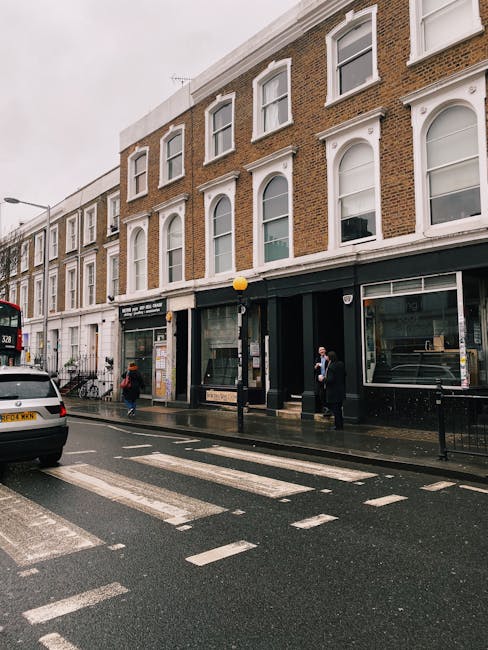
If you are planning a business move between Kensington and Earls Court, you already know it is rarely just about boxes and tape. A successful case study Kensington office removals for Earls Court company is really about timing, access, communication, and keeping the working day intact as much as possible. One awkward lift, one parking delay, one missing label, and suddenly the whole relocation feels heavier than it should. Truth be told, that is where good planning earns its keep.
This article walks through what a well-run office removal looks like in this part of West London, why it matters, how the process usually works, and what businesses tend to overlook. You will also find a practical checklist, a comparison of move methods, and a realistic example of how an office move can stay calm even when the street outside is not exactly generous with space. If you want a clearer picture before making decisions, you are in the right place.
Why Case study Kensington office removals for Earls Court company Matters
Office removals in Kensington and Earls Court are not the same as a generic move across town. The roads can be tight, parking may be limited, and building access is often controlled by reception desks, loading rules, lifts, and time windows. That matters because office moves are not just physical; they are operational. Staff need to keep working, clients still need answers, and equipment must arrive in a usable state.
For a local company, the main issue is usually continuity. Can the team get back online quickly? Will computers, monitors, files, and furniture arrive in the right order? Will the removal team understand how to work around shared entrances, stairwells, or a loading bay that only allows short stops? These are small details on paper. On moving day, they are everything.
There is also a local reputation angle, which people sometimes forget. A move that runs late can affect client meetings, deliveries, and even how staff feel about the change. A move that is handled well, though, can be almost boring in the best possible way. No drama. No panic. Just a smooth handover and a clean start in the new office. That is the aim, really.
Expert summary: For Kensington and Earls Court office moves, the biggest wins usually come from planning access, protecting equipment, and sequencing the move so people can keep working with minimal interruption.
How Case study Kensington office removals for Earls Court company Works
A good office removal process begins long before the van arrives. The best operators start with a survey, either in person or through a detailed virtual assessment, to understand what needs moving, how far it has to travel, and what the building constraints are. That includes desks, chairs, IT kit, filing cabinets, breakout furniture, boxed archives, and anything awkward or fragile. A piano is one thing; a server rack is another. Both need respect.
From there, the move is usually broken into stages. First comes planning: access checks, risk review, packing schedule, and confirmation of timing. Next is preparation: labels, dismantling if needed, packing sensitive items, and making sure the route in and out is clear. Then the move itself happens, with loading done in a logical order so the most urgent items are first to unload. Finally, there is set-up at the new site, which can include reassembling furniture and placing boxes in the right rooms.
In a Kensington-to-Earls Court context, the route itself is only part of the job. The real work is often around the edges. Can the van stop close enough? Is there lift access at both ends? Does the building require advance notice? Is there a narrow stairwell that means one desk has to be dismantled on site? These questions are not annoying admin; they are the difference between a controlled move and a messy one.
Some businesses also choose additional support such as packing and unpacking services or a broader office relocation service where the team manages much more than transport. That can be especially useful when staff are busy and do not have time to label every drawer and cable tie every lead. Let's face it, most office teams have better things to do than become temporary removal coordinators.
Key Benefits and Practical Advantages
The biggest benefit of a well-managed office move is reduced disruption. That sounds obvious, but in practice it covers several things at once: fewer lost hours, less stress for staff, lower risk of damage, and a faster return to normal operations. For a company near Earls Court, where space can be tight and buildings are often busy, that can save a surprising amount of friction.
Another benefit is better asset protection. Office furniture may be replaceable, but IT equipment, confidential paperwork, and specialist tools often are not cheap to repair or easy to duplicate. A careful removals plan reduces the chance of breakage, misplaced items, or wet-weather damage on the day. And yes, London weather has a habit of making itself known just when you are trying to keep cardboard boxes dry.
There is also a morale benefit. Staff notice when a move is organised. They notice when boxes are clearly labelled, when the schedule is realistic, and when someone has thought about the first morning in the new office. That sounds soft, but it matters. A calm move gives people confidence that the business is under control.
- Less downtime: Work can resume faster when the move is sequenced properly.
- Better protection: Equipment, furniture, and documents are handled with more care.
- Clearer accountability: A structured move makes it easier to track items and responsibilities.
- Improved staff experience: Teams feel less overloaded when the logistics are handled well.
- Cleaner start in the new space: Items arrive where they should, which saves time on day one.
For businesses comparing local providers, the range of options can be wider than expected. Some prefer a full-service approach through a commercial moves page or a specialist office removals service, while others only need transport support. The right choice depends on how much of the job you want to keep in-house.
Who This Is For and When It Makes Sense
This kind of move makes sense for small firms, growing teams, professional practices, charities, agencies, and satellite offices that are shifting between nearby West London addresses. It is especially relevant if your team works with sensitive documents, customer data, specialist equipment, or a time-critical schedule.
You may also benefit from a structured removals plan if the new site is only a few streets away but the buildings are very different. A short distance does not mean an easy move. In fact, those shorter office relocations can be trickier because people assume they will be simple and underplan them. That is where delays creep in.
It is also a good fit when you need to:
- move outside business hours to protect trading time
- coordinate several departments or shared desks
- protect expensive IT or archive material
- deal with restricted access, lifts, or concierge controls
- prepare for a lease end date, refurbishment, or expansion
If you are still weighing up whether to use a dedicated removal company or a lighter-touch service such as man and van support, think about the risk if something goes wrong. A couple of suitcases? Fine. An office with ten desks, laptops, and filing cabinets? Different story entirely.
Step-by-Step Guidance
1. Start with a realistic inventory
List what is moving, what is staying, and what should be discarded, donated, or recycled. This is where many office moves get messy. Someone says, "we'll sort that later," and later arrives with six mystery boxes. Not ideal. A clean inventory makes the rest of the process easier.
2. Check the buildings at both ends
Measure lifts, stair widths, entrance heights, and any awkward corners. Check if the loading area has time restrictions. Confirm whether keys, fobs, or reception access will be needed. A van is only useful if it can actually get near the door.
3. Set a move schedule that fits the business
Some companies move after hours or at the weekend to reduce downtime. Others split the move across two days so teams can keep working. Both can work. What matters is choosing a plan that suits your staff, your clients, and the building rules.
4. Label by destination, not just by contents
Labels like "Accounts - 2nd floor - East desk" are far better than "misc". The more specific the label, the less time people spend standing in the new office wondering where everything belongs. A little bit of tidiness here saves hours later.
5. Protect the fragile and the confidential
Secure files, hard drives, screens, and anything with personal or business-sensitive data. If you need extra handling, ask about specialist packing or secure transport arrangements. Some items simply should not go in a box with loose cables and a half-full mug. You know the sort.
6. Load in the right order
Items that will be needed first should be loaded last and unloaded first. That often includes IT gear, a small number of essential desks, and priority paperwork. This is one of those basic moving principles that sounds simple, but it is easy to get wrong in the rush.
7. Reassemble and test quickly
Once on site, furniture should be rebuilt and key systems checked as early as possible. A move only feels complete when people can sit down, log in, and carry on. If the internet, printers, or phone setup is delayed, the whole room can feel half-finished even if the boxes are gone.
Expert Tips for Better Results
In our experience, the smoothest office removals are the ones where someone is clearly in charge. Not in a stressful, clipboard-wielding way. Just one person who knows the plan, knows the people involved, and can make quick decisions when a lift is delayed or a doorway is narrower than expected. That single point of contact is worth its weight in tea bags.
Another useful tip is to photograph tricky setups before the move. Take pictures of cable layouts, meeting room furniture arrangements, and any shelves or storage units that need to go back exactly where they were. It feels slightly obsessive at the time. Then moving day arrives and you are glad you did it.
Try to separate "essential" from "nice to have". Not everything needs to move immediately. If a cabinet of old brochures or spare stock can wait a day, leave it for later. Why overload the first run? The calmer the first load, the easier the rest of the day becomes.
Also, keep one small emergency kit aside. It should contain tape, a marker, scissors, a charger, hand wipes, basic tools, and perhaps tea or coffee supplies. That last one is not a technical requirement, but morale counts. Especially around 4pm.
Helpful reminders from the field
- Book access and parking well ahead if the building requires it.
- Tell staff exactly what to pack and when.
- Back up data before anything is unplugged.
- Keep valuables and critical documents separate from general loads.
- Use consistent labels for every department or floor.
If you also need disposal support, services like furniture pick-up can help clear surplus items before the main move. That can make the job feel lighter straight away. Less clutter, less chaos. Simple as that.
Common Mistakes to Avoid
The most common mistake is underestimating the time needed for packing and unpacking. Many teams focus on the transport day and forget the hours needed before and after. Then Friday afternoon arrives, desks are half-empty, and everyone is suddenly looking for a roll of tape like it is a missing passport. Happens all the time.
Another mistake is failing to measure access properly. A van can be the right size and still be the wrong fit for the street or loading area. Office removals are often lost or delayed by parking and building access, not by the move itself. That is the part people forget.
It is also easy to overlook IT planning. Cables, monitors, routers, and shared devices need more than a quick sweep into boxes. If the tech is not carefully handled, the new office may be physically ready but operationally dead in the water. Nobody wants that first morning.
Other mistakes to avoid include:
- leaving packing until the final hour
- assuming all furniture can be moved intact
- not assigning responsibility for each zone or department
- mixing confidential documents with general waste
- forgetting to inform building management or reception teams
One more, and this one is sneaky: not planning for the first hour after arrival. You need a simple opening sequence. Who opens what? Which room gets set up first? Where is the urgent equipment going? A move without a first-hour plan can feel oddly chaotic, even if the van arrived on time.
Tools, Resources and Recommendations
You do not need a mountain of specialist equipment for a typical office removal, but a few practical tools make a big difference. Strong boxes, labels, marker pens, cable ties, furniture blankets, trolleys, and protective wrapping are the usual essentials. If the office has bulky items, a proper moving truck and lifting equipment may be more appropriate than a small van, even for a short journey.
For businesses that want broader support, it can help to look at services such as removal services, removal van options, or moving van support depending on the scale of the job. The right combination often depends on volume, access, and how much packing you want handled by the moving team.
Useful internal planning resources on the website can also help you prepare for the wider move. If you are comparing pricing and what is included, the pricing and quotes page is a sensible place to start. If you want reassurance around handling and duty of care, the insurance and safety information is worth reading before you book.
For businesses thinking beyond the move day, it can also be sensible to review recycling and sustainability guidance. Office relocations often generate surplus furniture and packaging waste, and it is better to plan that properly than leave it as a last-minute scramble.
Law, Compliance, Standards, or Best Practice
Office removals in London are not usually about one dramatic legal rule; they are about following sensible, consistent practice. That means taking health and safety seriously, handling items carefully, and making sure access, lifting, and transport are managed in a way that reduces risk to people and property. If a move involves stairs, heavy lifting, or awkward loads, proper planning matters a lot.
Businesses should also think about data protection and document handling. If files, devices, or storage media contain confidential information, they should be packed and moved with care. The exact approach will depend on the type of material involved, but a good rule is simple: if you would not leave it open on a desk, do not treat it casually during a move.
There are also practical expectations around insurance, damage handling, and clear communication. Before the move, check what is covered, what is not, and who is responsible if an item is already damaged or is difficult to access. That conversation is not glamorous, but it avoids misunderstandings later.
If you need to understand the company's policies and standards in more detail, the site's health and safety policy and terms and conditions provide a useful baseline. For broader trust signals, the about us page can also help you understand who is behind the service.
One last point: if your move involves shared buildings or managed premises, always check the building's own rules as well. It may seem obvious, but office relocations often go wrong when someone assumes the landlord, concierge, or reception team already knows what is happening. Usually, they do not.
Options, Methods, or Comparison Table
Different businesses need different approaches. Some want a full relocation partner. Others just need transport and loading help. Here is a simple comparison to make the decision easier.
| Method | Best for | Strengths | Trade-offs |
|---|---|---|---|
| Full office relocation service | Teams wanting minimal disruption and hands-off coordination | More support, better sequencing, less internal admin | Usually requires more planning and a bigger budget than a basic transport-only job |
| Office removals only | Businesses that have packing and internal coordination covered | Focused moving support, clear transport role | More responsibility stays in-house |
| Man and van style move | Smaller offices, light loads, simple access | Flexible and often suitable for short-distance jobs | May not be ideal for large furniture, complex access, or sensitive equipment |
| Commercial move with packing add-ons | Mid-sized companies with mixed furniture and IT needs | Good balance of support and control | Needs good coordination to get the most from it |
The right method depends on more than size. A small office with difficult access can be harder than a bigger one with a service lift and a clear loading bay. So the smart question is not just "how many desks?" It is "what will make this move easiest to complete without disruption?"
Case Study or Real-World Example
Here is a realistic example drawn from the kind of move businesses often face in this part of London. A small professional company with a modest team needed to move from a Kensington office to a nearby Earls Court workspace. The distance was short enough to make the move feel simple, but the buildings were very different. The old office had a narrow entrance and limited waiting space outside. The new office had better internal layout, but access had to be timed around other occupants in the building.
The move worked best because it was broken into clear stages. First, the team identified what was essential for day one: laptops, monitors, a small number of desks, filing, and a printer. Less urgent items were packed separately. Next, the furniture that needed dismantling was handled ahead of time so nothing had to be forced through a tight corner at the last minute. The move itself happened early in the day, before traffic became a nuisance.
What made the difference? Planning and restraint. Not everything was treated like a priority. The team did not try to move every single item at once. They also kept one person responsible for sign-off at each end, which meant fewer crossed wires. There was a small hiccup with one box of cables, because of course there was, but the issue was solved quickly because the labels were clear and the essential items were separated.
By the end of the day, the office was usable. Not perfect, not showroom-ready, but functional. That is often the real standard for office removals: a sensible first day, then a tidy-up after. If you can keep the business working while the dust settles, you have done well.
Practical Checklist
Use this checklist to keep the move organised. It is not fancy, just useful.
- Confirm move date, start time, and building access at both addresses
- Check parking or loading restrictions in advance
- Complete an inventory of furniture, IT, files, and fragile items
- Decide what will be moved, recycled, donated, or disposed of
- Label boxes by room, department, and priority
- Back up data and secure confidential materials
- Disassemble furniture that will not fit through doors or lifts
- Prepare the new office layout before moving day
- Keep emergency tools, chargers, and cleaning items to hand
- Test essential systems after arrival: power, internet, phones, printers
- Walk through both sites to check for leftover items or damage
- Assign someone to oversee sign-off at the old and new locations
If you are short on time, focus on the first five items above. They carry a lot of the weight, no pun intended.
Conclusion
A strong case study Kensington office removals for Earls Court company is not really about the van. It is about planning, access, sequencing, and keeping a business steady while it changes address. When those basics are handled well, a move that could feel disruptive becomes manageable, even routine. And that is the goal most companies quietly want, even if they do not say it out loud.
If you are preparing for a nearby office move, the safest approach is to think in layers: what must move, what can wait, what needs special handling, and what will keep your team working on day one. Do that, and the whole job becomes clearer. Less noise. Less stress. Better results.
Get a free quote today and see how much you can save.
When you are ready, take it one step at a time. A good move is rarely loud. It is usually calm, well-labelled, and done before anyone has time to worry.
Frequently Asked Questions
What is included in an office removals case study for Kensington and Earls Court?
It usually covers the move plan, access challenges, packing approach, transport method, setup at the new office, and the lessons learned. A strong case study should show what worked in practice, not just list services.
How far in advance should I plan an office move in West London?
As early as possible. Even a short-distance move can need building approvals, parking checks, packing time, and IT planning. A few weeks is often better than a few days, especially if the office is busy.
Is a man and van service enough for a small office move?
Sometimes, yes, if the office is small, access is simple, and the load is light. For larger desks, fragile equipment, or tight access, a fuller office removal service is usually a safer choice.
What is the biggest risk in Kensington office removals?
Usually it is access and timing. Parking restrictions, narrow entrances, lift delays, and building rules can create more problems than the actual carrying of furniture.
How do I protect IT equipment during an office move?
Back up data, unplug carefully, label leads, pack screens and devices separately, and keep critical items with the move lead rather than mixing them into general boxes.
Can office removals happen outside normal business hours?
Yes, and often that makes sense. Evening or weekend moves can reduce downtime, although they may require more planning with building management and staff availability.
Should I use packing services or do it myself?
That depends on your team's time, the complexity of the move, and how much fragile or confidential material you have. Packing support is often worth it when time is tight or the office is heavily fitted out.
What should I do with unwanted office furniture?
Identify it early. Some items may be reused, some can be recycled, and others may need collection before the main move. Clearing surplus furniture beforehand makes the relocation simpler.
How do I know if my move needs a commercial moving specialist?
If you have multiple workstations, shared equipment, confidential documents, or access constraints, a specialist commercial mover is usually more appropriate than a basic transport-only option.
What should I check before booking a removals company?
Check what services are included, how access and parking are handled, what support is available for packing and setup, and what the company says about insurance and safety. It is also wise to read the terms carefully.
Will office removals disrupt staff productivity?
Some disruption is normal, but it can be managed. Clear instructions, a staged move, and good labelling go a long way. A well-run move should reduce downtime, not extend it.
What happens if something is damaged during the move?
That depends on the circumstances and the agreed terms. This is why it is sensible to understand the company's insurance and safety arrangements before moving day, rather than after.
For more background on the company, you can also review the site's removal companies page or browse the blog for related moving guidance. A bit of preparation now saves a lot of rushing later, and that is usually the nicest outcome of all.