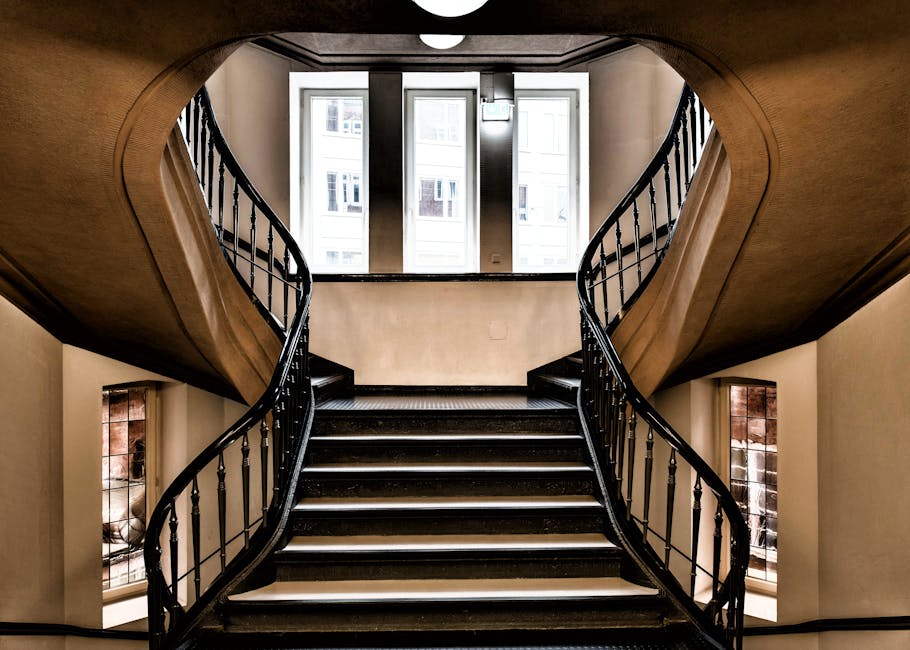
South Kensington Man With a Van Tips for Tight Staircases: A Practical Guide for Safer, Smoother Moves
If you are moving in South Kensington, there is a fair chance the staircase will be the real problem, not the van. Narrow turns, awkward landings, painted banisters, low ceilings, and those older period layouts can turn a simple job into a careful, slow shuffle. That is exactly why South Kensington man with a van tips for tight staircases matter: they help you protect your belongings, avoid damage, and make the move feel less chaotic. Truth be told, a good plan saves more stress than a bigger van ever could.
In this guide, you will get practical advice for planning, lifting, packing, and navigating tight staircases in South Kensington and similar London homes. You will also see when a man with a van in Kensington is the right choice, when a fuller removal service makes more sense, and how to reduce risk before the first box is even moved.
Why South Kensington man with a van tips for tight staircases Matters
South Kensington is full of characterful homes. That character is lovely until you have to carry a wardrobe around a tight bend. Older conversions, mansion blocks, basement flats, and top-floor walk-ups often have staircases that were not designed for modern furniture, flat-pack boxes, or a mattress wrapped in plastic and hope. And if you have ever tried turning a sofa on a stair landing while someone is muttering "just a bit more to the left", you know the feeling.
The issue is not only convenience. Tight staircases increase the chance of scuffed walls, scratched furniture, strained backs, and delays that ripple through the rest of the move. A move can go from manageable to messy very quickly if nobody has checked access properly. That is why proper planning is so valuable, especially in local jobs where the building layout is as important as the distance between addresses.
For many residents, the best outcome is not about brute force. It is about sequencing. Measure first, protect surfaces, clear the route, choose the right lifting method, and decide whether a piece should be moved whole or dismantled. If you are also weighing up broader support, the flat removals in Kensington page is useful if your move involves stairwells, shared entrances, or compact internal access.
Expert summary: In tight South Kensington staircases, success usually comes from preparation, not strength. The best moves feel calm because the hard decisions were made before anyone picked up a box.
How South Kensington man with a van tips for tight staircases Works
At a practical level, a man with a van service handles the loading, transport, and unloading of your items, usually with a smaller vehicle that is better suited to London streets and limited parking. In South Kensington, that can be a big advantage. But when staircases are tight, the moving process needs a little extra thought.
Here is the basic flow. First, you assess the access at both properties. Then you identify the awkward items: wardrobes, beds, mirrors, washing machines, dining tables, maybe that heavy bookcase you swore you would "sort out later". After that, you decide what should be dismantled, what can be carried upright, and what needs two people instead of one.
Good movers will also consider the building itself. Are there sharp corners? Is the stairwell narrow from the second floor up? Is there a low bannister, a fragile painted wall, or a shared entrance that needs careful handling? These details matter. A tiny misjudgement on a stair landing can mean starting again, and nobody enjoys reversing a sofa halfway down a staircase. Not ideal.
If the job is a bit larger than expected, it may make sense to look at broader support through removal services in Kensington or compare options on the services overview page. That way, you can match the service to the access challenge rather than forcing the move into the wrong format.
Key Benefits and Practical Advantages
Handling a move with tight stairs is slower than an easy ground-floor load, but the right approach brings real advantages. The aim is not just to get things out of the house. It is to do it with fewer surprises.
- Lower damage risk: careful sizing and route planning reduce wall scrapes, chipped paint, and crushed corners.
- Better use of time: measuring and pre-dismantling save repeated attempts on the staircase.
- Safer lifting: fewer awkward twists means less strain on backs, shoulders, and knees.
- Less stress in shared buildings: you are less likely to annoy neighbours, block hallways, or rush through common areas.
- More predictable pricing: a clear access picture helps when discussing pricing and quotes.
There is another benefit people sometimes forget: confidence. When you know the stairs have been measured and the route is clear, the whole day feels more manageable. That matters a lot in a place like South Kensington, where buildings can be elegant but not always forgiving.
For some moves, especially when you have a mix of furniture and fragile items, it may also help to review furniture removals in Kensington. That gives a better sense of what can be dismantled, wrapped, or carried more safely around awkward corners.
Who This Is For and When It Makes Sense
This kind of planning is especially useful if you are:
- moving out of a South Kensington flat with a narrow internal staircase
- moving into a townhouse, conversion, or upper-floor apartment
- transporting awkward furniture like beds, wardrobes, desks, or shelving
- trying to keep a quick move from becoming a messy all-day ordeal
- working around parking restrictions, controlled access, or limited lift use
Students and renters often need this advice because their moves are smaller, but the staircases are often worse. If that sounds familiar, the student removals in Kensington page is worth a look. On the other hand, if you are moving a whole household, the scale changes quickly and you may need house removals in Kensington rather than a simple van-and-load approach.
There is also a point at which same-day solutions become useful, particularly if a sale completes late or an access window is tighter than expected. In those cases, same-day removals in Kensington can be a sensible fallback, assuming the access details are confirmed early.
Who is this not ideal for? If you have several heavy appliances, lots of dismantling, or a very high-floor move with no lift and difficult parking, a more comprehensive removals setup may be the better call. No drama, just honest matching of service to job.
Step-by-Step Guidance
Below is a practical sequence you can follow before moving day. It is not fancy, but it works.
1. Measure the staircase properly
Do not rely on memory or "it looked fine when I glanced at it". Measure the width at the narrowest point, the height at the tightest overhead point, and the depth and angle of any landings. For furniture, measure the full item, including handles, feet, and anything that sticks out. If a wardrobe is 79 cm wide on paper but 84 cm with knobs, that five centimetres suddenly becomes a very real problem.
2. Identify the awkward items first
Start with the bulkiest, heaviest, or most fragile pieces. Those are the items most likely to need dismantling or specialist handling. Beds often come apart easily, but mirrors, glass tops, and large cabinets need more care. A piano is in a different category again, which is why some moves require dedicated support like piano removals in Kensington.
3. Clear the route from room to van
Remove shoes, mats, clutter, loose cables, and anything else that could trip someone. Open doors fully. If possible, keep pets and children away from the route. In a busy South Kensington building, even a small obstruction can become the thing that slows the whole day down.
4. Protect the building before moving begins
Use blankets, corner protectors, and floor coverings where needed. This is especially useful on painted walls and narrow stair corners, which take the hardest hits. A little protection goes a long way. Honestly, it is cheaper than repairing a scrape later.
5. Decide what should be dismantled
Large furniture usually moves better in pieces. Table legs, bed frames, modular wardrobes, and shelving units often become far easier to carry. Keep screws and fixings in labelled bags. Sounds obvious, but in the middle of a move, those tiny bags disappear into the void surprisingly fast.
6. Use the right carrying method
For tight staircases, movers often need to tilt, pivot, and angle items very carefully. The goal is to keep control while staying close to walls without scraping them. When in doubt, two people should carry the item together rather than trying to force a solo carry. That is not weakness, it is just common sense.
7. Load the van with the staircase in mind
It helps to pack the van so the first items needed at the destination are easy to reach. If you know the staircase is tight, you want the route inside the property to be efficient. Think less "pile everything in" and more "load in the order we will need it".
8. Leave room for a slower pace
Tight staircases often mean slower movement, and that is fine. Rushing causes mistakes. A calm pace is usually safer and, strangely enough, quicker overall because you do not keep stopping to fix problems. There is a rhythm to these jobs once you get used to them.
Expert Tips for Better Results
These are the small details that make a big difference on the day.
- Use furniture sliders where they help: they are useful for short indoor shifts, especially before lifting items to the stairs.
- Wrap edges first: corners and handles cause most accidental damage when turning on a landing.
- Take photos of tricky access points: pictures of the staircase, front door, and landings help everyone plan better.
- Keep a tool kit nearby: screwdriver, Allen keys, tape, and scissors save time when something needs quick dismantling.
- Mark fragile boxes clearly: this sounds basic, but it stops people from placing heavy items on top of them.
- Use one person to guide, not just carry: on narrow stairs, the spotter matters almost as much as the lifter.
One of the best habits is to talk through the route before you start. A 30-second plan at the door can prevent a 10-minute wrestle halfway up the stairs. And yes, sometimes the answer is simple: "that sofa is not going up in one piece". Better to say it early.
If your move is connected to a larger flat clear-out or downsizing project, you may also benefit from storage in Kensington while you sort out what actually fits in the new place. That is often the sensible middle ground.
Common Mistakes to Avoid
Most stair-related moving problems are preventable. The trouble is, people tend to spot them only after the item is already halfway turned around the landing.
- Not measuring both the item and the staircase before move day.
- Forgetting to check ceiling height on stair turns and under beams.
- Leaving large items assembled when dismantling would have made them manageable.
- Using too few people for heavy or awkward furniture.
- Ignoring shared areas in blocks and conversions.
- Rushing because of parking pressure instead of moving carefully.
- Not confirming insurance or safety arrangements before valuable items are handled.
A very common one? Assuming the staircase problem will "work itself out" once you get there. It rarely does. If anything, the staircase becomes more stubborn as the day wears on. By 4pm, everybody is a bit more tired, the light is fading, and even the smallest snag feels bigger than it should.
That is why it is smart to review practical protection and confidence measures through the insurance and safety page before the move. It is one of those unglamorous things that becomes very important very quickly.
Tools, Resources and Recommendations
You do not need a warehouse of equipment, but a few well-chosen tools can make a staircase move far easier.
| Tool or Resource | Why It Helps | Best Used For |
|---|---|---|
| Measuring tape | Confirms widths, heights, and turning space | Planning furniture and staircase clearance |
| Furniture blankets | Protects wood, paint, and finishes | Scrape-prone corners and bannisters |
| Strong tape and labelled bags | Keeps fixings together after dismantling | Beds, wardrobes, shelving |
| Corner protectors | Reduces impact on walls and furniture edges | Sharp turns and tight landings |
| Gloves with grip | Improves control and comfort | Carrying boxes and furniture on stairs |
| Access photos | Helps with planning and quoting | Any property with awkward stairs |
For packing support, the packing and boxes in Kensington page is useful if you want a more organised approach rather than grabbing whatever cardboard is available. Good boxes do not solve everything, but they do stop a lot of avoidable wobble.
If you are comparing providers, it also helps to look at removal van options in Kensington so you can match van size and access needs. A van that is too large for the street or too awkward for the site can create more problems than it solves.
Law, Compliance, Standards, or Best Practice
For a typical house or flat move, there is not usually a special legal framework just for stair carrying. But there are still important standards and best practices that matter in real life.
First, anyone handling lifting or moving should do so safely and avoid unnecessary strain. In the UK, employers have general health and safety duties, and even in small teams the practical rule is the same: assess the risk, use suitable equipment, and don't push people into unsafe lifting. That sounds obvious, but in a rushed move, obvious things tend to vanish.
Second, in shared buildings, you should respect communal spaces, access times, and neighbour consideration. That means avoiding blocked entrances, keeping noise reasonable, and being careful with surfaces and fire routes. If there are building management rules, follow them. It is not glamorous, but it keeps the day smooth.
Third, if items are valuable, heavy, or fragile, make sure you understand the service terms, insurance expectations, and any exclusions before move day. The pages on terms and conditions and payment and security are helpful for understanding what to expect in a professional service setting.
Finally, if sustainability matters to you, consider how items will be reused, recycled, or disposed of responsibly. It is a small thing in the middle of a stressful move, but it does make a difference. The recycling and sustainability page is a sensible place to start if you are clearing out as well as moving.
Options, Methods, or Comparison Table
Different moves call for different approaches. Here is a simple comparison to help you decide what fits best.
| Approach | Best For | Strengths | Limitations |
|---|---|---|---|
| Man with a van | Smaller moves, single flats, a few bulky items | Flexible, cost-aware, good for London access | May need more planning for awkward stairs |
| Full removal service | Larger homes, more furniture, more complex access | More support, better for heavy or numerous items | Usually more involved and may cost more |
| Self-move with hired van | Very small loads and confident movers | Maximum control over timing | Higher physical effort and more risk on tight stairs |
| Hybrid approach | Mixed items, partial packing, tricky access | Flexible and practical | Needs clear communication and planning |
For most South Kensington flats with narrow staircases, the hybrid option is often quietly the best. A man with a van handles transport and loading support, while you prepare, dismantle, and prioritise the items that need the most care. It is not flashy, but it works.
Case Study or Real-World Example
Here is a realistic example based on the kind of move these tips are designed for.
A couple moving out of a South Kensington one-bedroom flat had a double bed frame, a mattress, a small sofa, two bookcases, and a dining table. The staircase was narrow and turned sharply on the first landing. On first inspection, the sofa looked like the problem item. In the end, it was the bookcase that caused the biggest headache because it was both tall and awkward to angle.
They measured the stair width, dismantled the bed frame, removed the table legs, and wrapped the bookcases before move day. They also cleared the hallway and reserved a parking spot close to the entrance where possible. The movers used blankets on the corners, carried the sofa on a slight tilt, and took the bookcases one at a time. Nothing dramatic happened, which is exactly the point.
The move still took a bit longer than a ground-floor job, naturally. But there were no wall scuffs, no broken fixings, and no last-minute panic about whether the sofa would make the turn. That calm finish is what most people are really paying for, even if they do not say it out loud.
If the move had involved larger household contents, they may have needed a more complete removals Kensington service instead. Small job, bigger lesson: match the service to the access, not just the item count.
Practical Checklist
Use this checklist a day or two before the move. It keeps things sane.
- Measure the staircase width, landings, and any low ceilings.
- Measure each bulky item, including handles and feet.
- Identify items that should be dismantled.
- Pack screws, bolts, and fixings into labelled bags.
- Protect walls, corners, and bannisters where needed.
- Clear hallways, entrances, and stairwells of clutter.
- Confirm parking and access arrangements in advance.
- Mark fragile boxes clearly.
- Check insurance, safety, and service terms.
- Keep drinks, tools, tape, and a phone charger nearby.
- Have a backup plan for items that do not fit as expected.
Quick takeaway: measure early, dismantle where sensible, protect the route, and do not assume a tight staircase will be kind just because the item is only "a little bit too big".
Conclusion
Tight staircases are part of life in South Kensington, but they do not need to ruin moving day. With the right planning, a sensible carrying strategy, and a realistic sense of what can and cannot fit, you can turn a stressful job into a straightforward one. That is really the whole game: avoid surprises, respect the building, and give yourself enough time to move carefully.
Whether you are moving a single sofa, a flat full of furniture, or something fragile that needs extra care, it pays to work with people who understand London access and the quirks of older buildings. If you want a better feel for the team behind the service, take a look at the about us page. And if you are still comparing options, the contact page is the easiest next step.
Get a free quote today and see how much you can save.
Move smart, stay calm, and let the staircase be just another detail, not the story of the day.
Frequently Asked Questions
How do you move furniture up a narrow staircase safely?
Measure the staircase and the furniture first, dismantle what you can, and protect walls and corners. For heavier pieces, use two people and move slowly with one person guiding the route.
What should I measure before booking a man with a van in South Kensington?
Measure the narrowest staircase point, landings, ceiling height at turns, the width of the front door, and the size of your largest furniture items. Photos help too, especially for awkward conversions.
Can a sofa usually fit up a tight staircase?
Sometimes yes, sometimes no. It depends on the sofa shape, the staircase turns, and the landing space. A sofa with removable feet or a slimmer frame is much easier to manage.
Should I dismantle furniture before moving day?
Usually, yes, if the item is large or awkward. Beds, tables, and shelving often become much easier to carry once dismantled. Just keep all fixings together in a labelled bag.
Is a man with a van enough for a flat with a narrow stairwell?
For smaller loads, often yes. For bigger furniture sets or lots of heavy items, you may need a fuller removals service. It depends on access, not just how many boxes you have.
How can I protect my walls during a staircase move?
Use furniture blankets, corner protectors, and clear the route in advance. If the staircase is especially tight, adding temporary protection to the most vulnerable edges is a smart move.
What if my furniture does not fit around the staircase turn?
Stop before forcing it. Try a different angle, dismantle the item further, or remove doors, feet, or shelves. If that still does not work, the item may need a different route or specialist handling.
Do I need to tell the mover about stairs in advance?
Yes, absolutely. Clear access information helps with vehicle choice, staffing, timing, and whether special equipment may be needed. It also makes quotes more accurate.
Are there special safety rules for moving heavy items on stairs?
There are no unusual laws just for stair carrying, but safe lifting practices matter a lot. Avoid twisting, use suitable lifting techniques, and make sure the route is clear and not slippery.
What is the best time of day to move in South Kensington?
Earlier in the day is often easier because the team is fresher and there is more daylight. That said, parking and building access can influence the best time, so planning matters more than the clock alone.
Can I book same-day help if the staircase turns out to be a problem?
Sometimes. If availability allows, same-day support can help when a move becomes more complicated than expected. It is still better to flag access issues before the day if you can.
How do I know whether to use storage as part of the move?
If some items are not practical to carry up tight stairs, or if your new place is smaller, storage can be a useful buffer. It gives you time to decide what stays, what goes, and what should be moved later.